-
- 06.03.2026

Top 10 Crypto Trading Apps in 2026: Best Mobile Platforms for Traders
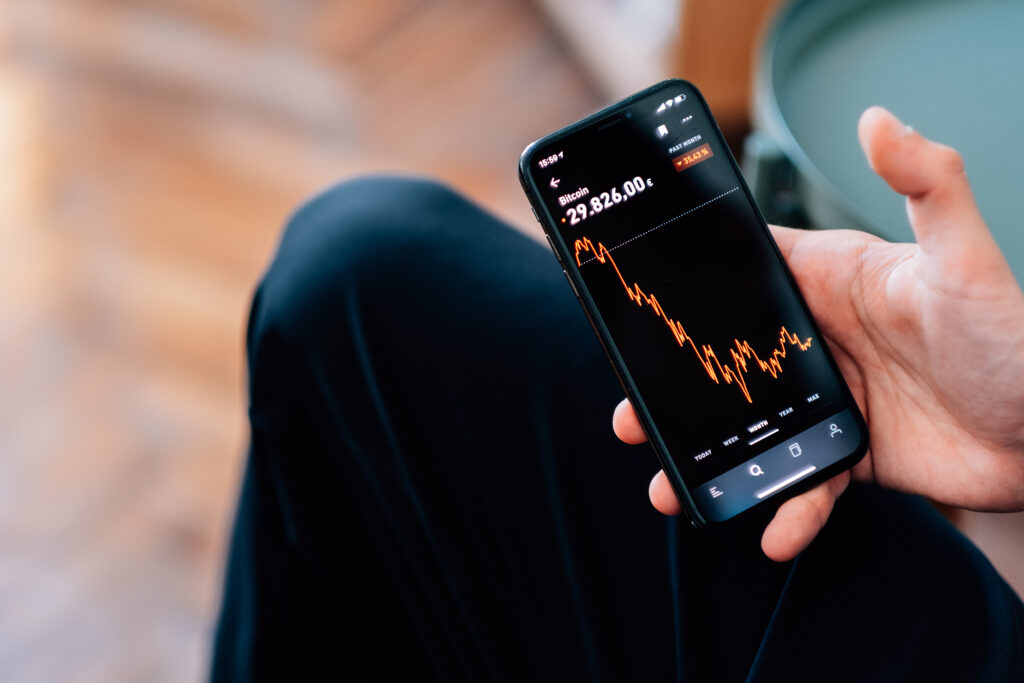
The way people engage with cryptocurrency has transformed dramatically since Bitcoin’s inception. What began as manual wallet transfers and desktop exchanges has evolved into a fully mobile experience where traders, investors, and casual users alike can buy, sell, monitor market activity, and even automate strategies directly from their phones. In 2026, the rise of top crypto trading apps has made digital asset markets more accessible and responsive than ever before. These mobile platforms now blend powerful trading tools, real-time charts, alerts, security features, and portfolio tracking — all optimized for screens you carry in your pocket.
This evolution reflects broader changes in the industry: markets never sleep, prices move fast, and users crave both convenience and depth from their crypto interfaces. Whether you’re just entering the market or are a seasoned trader monitoring spot and derivatives on the go, selecting the right top crypto app can have a meaningful impact on your strategy and results. This article explores the top crypto trading apps in 2026, what makes a great app, how mobile experiences compare with desktop, and how modern traders use mobile platforms to stay ahead.
Mobile Trading: Why It Matters in 2026
A decade ago, crypto trading was synonymous with desktops running chart libraries, command-line tools, and CLI interfaces. Today, mobile crypto exchanges and apps have reduced that barrier. Users can open accounts, complete KYC, deposit funds, and execute complex orders within minutes — all without ever touching a desktop.
The significance of mobile tools lies not just in convenience, but in responsiveness to market conditions. Prices can swing dramatically within minutes, and apps with real-time data, push notifications, and one-tap trading empower users to act immediately. For example, traders can set price alerts to trigger notifications when key levels are breached, or monitor decentralized finance earnings while commuting.
Moreover, mobile tools increasingly integrate with automation platforms, allowing API-driven strategies that historically required desktops. Many top crypto apps 2026 also offer deep integrations with portfolio tracking, advanced charting engines, and bot connectivity — blurring the lines between desktop and mobile ecosystems. Platforms like WunderTrading have built ecosystems where users can link their exchange apps via APIs to enable automated trading strategies, alerts, and rebalancing while retaining complete mobile control.
In short, mobile platforms are no longer second-tier tools — they are central hubs connecting traders to markets, community insights, automation, and portfolio management.
What Makes a Great Crypto Trading App?
Not all crypto apps are created equal. Beyond simple buy/sell buttons, the best platforms in 2026 excel in several core areas:
Security and Regulation
The foundation of any trading app is its trustworthiness. Regulated crypto apps that adhere to local and international frameworks — including KYC and AML standards — protect user assets and data. Security layers like biometric authentication, cold storage for custodial assets, and multi-factor authentication help safeguard accounts against unauthorized access.
Security also means transparent policies on withdrawals, privacy, and incident response. A strong track record in security incidents and clear regulatory compliance increase confidence among both retail and institutional users.
Intuitive User Interface
Apps must balance power with simplicity. A beginner needs a clean, visually clear onboarding experience, while advanced users require seamless transitions between charting tools, order types, and trade execution dashboards. Cluttered interfaces undermine user confidence, especially in fast-moving markets where timing matters.
Smooth navigation, customizable dashboards, and easy access to historical positions and open orders are hallmarks of well-designed crypto apps.
Supported Assets and Features
Modern traders expect more than just Bitcoin and Ethereum. The best apps offer broad support for dozens or hundreds of coins, tokens, and trading pairs, spanning spot, margin, and derivatives contracts. Essential features include:
- Real-time price feeds and depth charts
- Staking and yield opportunities
- NFT marketplaces
- P2P trading modules
- Integrated news feeds and educational insights
Having these built into a single mobile app reduces the need to juggle multiple tools.
Trading Tools and Charting
Professional traders demand advanced tools: technical indicators (RSI, MACD, Bollinger Bands), multiple timeframe charts, drawing tools, and historical performance overlays. Integration of these charts into mobile experiences — without overwhelming layouts — distinguishes casual apps from professional grade tools.
Push notifications for price triggers, stop-loss limits, trailing stops, and conditional orders allow traders to manage risk without being glued to the screen.
Integration with Bots, Alerts, and Portfolio Tracking
In an era where algorithmic trading and automation are mainstream, apps that support API integration with external platforms enable users to link mobile access with automated strategies. Platforms like WunderTrading — which facilitate API connections and bot orchestration — let traders deploy algorithmic strategies while still managing positions from their phones.
If you’re considering connecting your mobile exchange to a signal-based strategy, see how it works in our guide: How Crypto Futures Signals Work
Alerts — price, volume, tweet sentiment, and volatility spikes — further enhance mobile responsiveness.
Top 10 Crypto Trading Apps in 2026
Here is a deep, expert look at the leading mobile platforms that define crypto trading in 2026:
1. Binance
Binance stands as the most widely used global exchange, and its mobile app reflects the breadth of its ecosystem. Users can trade hundreds of cryptocurrencies across spot, margin, and futures markets. Beyond trading, the app offers staking, P2P, savings products, and NFT marketplace access.
The Binance app is known for deep liquidity, rapid execution, and a comprehensive set of order types — all presented through intuitive mobile UIs. From a security perspective, Binance continues to invest heavily in multi-layered protections, including asset insurance and device management controls.
Ideal For: Traders who want a full suite of markets and features — from simple buys to sophisticated derivatives.
2. Coinbase
Coinbase’s mobile experience excels at accessibility and educational onboarding. Designed with beginners in mind, it simplifies account creation, fiat on-ramps, and secure storage. Interface elements guide users seamlessly to buy, sell, and track coins without complexity.
Despite its simplicity, Coinbase provides essential features like recurring buys, portfolio insights, and basic charting. Its regulatory compliance and insurance coverage further appeal to users prioritizing trust and security over advanced trading features.
Ideal For: First-time investors and casual holders.
3. Kraken

Kraken’s app combines strong compliance with advanced trading features. It supports spot and futures markets, margin trading, and customizable charting tools. Kraken’s reputation for robust security practices — including proof-of-reserves transparency — lends confidence to users seeking a regulated environment without sacrificing tools.
The interface balances clean design with depth, making Kraken a top choice for users transitioning from beginner to intermediate stages.
Ideal For: Safety-minded traders who need powerful tools and regulated oversight.
4. Crypto.com
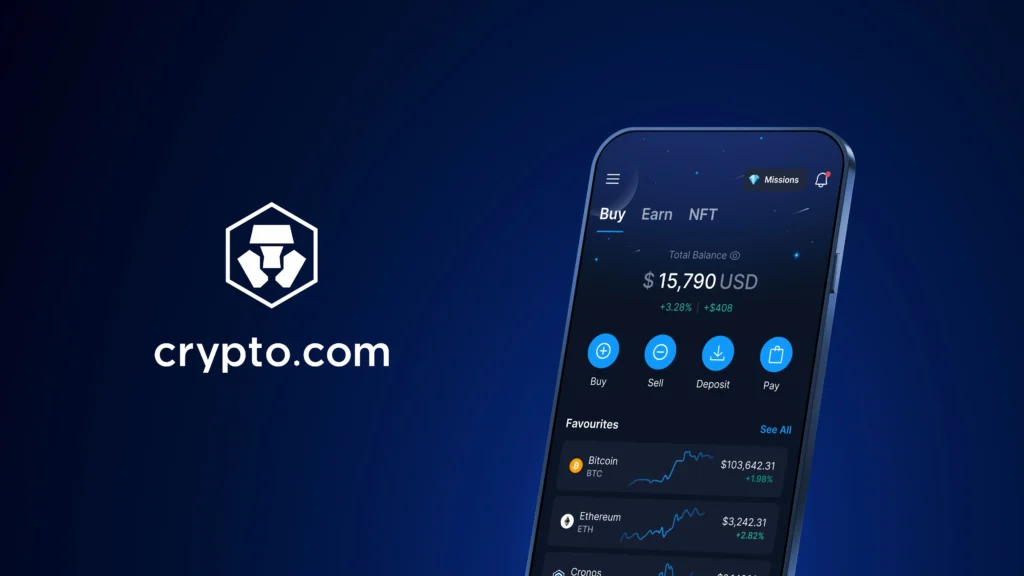
The Crypto.com mobile platform integrates trading, staking, and rewards alongside unique features like crypto-linked Visa cards and competitive yield products. Its broad asset support — including DeFi tokens and emerging projects — makes it a strong choice for users building diversified portfolios.
Crypto.com also incorporates real-time price alerts, customizable watchlists, and in-app news feeds, enabling both casual monitoring and active trading.
Ideal For: Users who want an all-in-one mobile crypto tool with financial product integrations.
5. Bybit

Bybit’s mobile app mirrors its desktop strength in derivatives and margin trading with deep liquidity and fast execution. The platform’s mobile charts are highly customizable, offering analysts the ability to apply multiple indicators and timeframes from a phone. Options and futures contracts are easily accessible, and built-in risk calculators help manage leveraged positions responsibly.
While powerful, the learning curve is steeper — making Bybit more suited for experienced traders.
Ideal For: Active traders and derivatives users.
6. OKX
OKX has successfully bridged centralized and decentralized experiences. Its app supports classic exchange trading alongside access to decentralized wallets and Web3 services. Users can move seamlessly between CeFi and DeFi contexts without leaving the mobile interface.
This hybrid integration appeals to users exploring decentralized applications, cross-chain assets, and multi-ecosystem portfolios.
Ideal For: Users who want both centralized exchange features and Web3 connectivity.
7. Bitget
Bitget takes a balanced approach with an interface that serves both beginners and advanced traders. The inclusion of social and copy trading features allows newer users to follow experienced traders and mirror their executions. This sets Bitget apart as a mobile platform that combines traditional order books with community-driven trading models.
Charting tools and API links further boost Bitget’s credentials as a serious trading app.
Ideal For: Traders who appreciate social trading and community insights.
8. KuCoin
KuCoin’s mobile app emphasizes flexibility and asset diversity. With one of the largest lists of crypto assets available, users keen on exploring emerging tokens and niche markets can find a home here. KuCoin also integrates staking, Simple Buy, and P2P modules into a single app ecosystem.
The mobile charts and portfolio tools may not be as advanced as some competitors, but the sheer breadth of token options and user-centric features make it a compelling choice.
Ideal For: Altcoin explorers and users seeking broad token exposure.
9. Gemini
Gemini’s mobile app is built around compliance and institutional-grade infrastructure. Its straightforward trading engine and wallet features cater to users who prioritize stewardship of assets and long-term holding. While not the most feature-rich for active traders, Gemini’s focus on strong regulatory clarity and secure custody appeals to conservative investors.
Ideal For: Compliance-oriented users and long-term holders.
10. Bitstamp
Bitstamp delivers a reliable, mature mobile interface with solid support for major crypto assets and competitive fee structures. Known for stability and transparent pricing, Bitstamp continues to be a trusted option for traders and investors who value reliability and predictable execution.
Ideal For: Users who prefer steady, transparent performance.
Best Apps for Automation and Trading Bots
Mobile trading increasingly intersects with automation. Many of the top crypto apps 2026 support API connections, which means traders can link their exchange accounts to external automation hubs. For example, many users integrate apps like Binance or Bybit with platforms like WunderTrading to automate strategies based on bots, signals, and alerts — all while monitoring activity from their phones. To explore how these automated strategies actually work in practice, read our in-depth guide on Crypto Arbitrage Bots: Strategy, Bot Setup & Risks
This fusion of mobile accessibility with algorithmic execution is reshaping how traders operate: instead of manual orders reacting to price swings, traders can deploy predefined logic that runs 24/7 while they stay informed on mobile dashboards
Mobile vs Desktop for Crypto Trading
Despite the rise of powerful mobile apps, desktop platforms are still invaluable for deep research, multi-monitor analysis, and complex strategy development. Many traders adopt a hybrid approach: mobile for responsiveness and situational execution, and desktop for planning and detailed analysis.
Ultimately, the best trading experience in 2026 is one that leverages both — using mobile apps for real-time engagement and desktop tools for high-resolution charting and portfolio engineering.
Frequently Asked Questions About Crypto Trading Apps
What is the best crypto trading app in 2026?
It depends on your needs. Binance is best for experienced traders who want maximum market access. Coinbase suits beginners for its simplicity and regulatory compliance. Bybit is the top choice for derivatives and futures traders. There is no single “best” — the right app matches your trading style and experience level.
Are crypto trading apps safe to use?
Reputable apps like Binance, Coinbase, Kraken, and Gemini employ strong security measures including two-factor authentication, biometric login, and cold storage for funds. That said, no platform is risk-free — always enable all available security features and avoid storing large amounts on any exchange long-term.
Can I use trading bots with mobile crypto apps?
Yes. Most major exchanges including Binance, Bybit, and OKX support API connections that allow you to link your account to external automation platforms. You can then monitor and manage bot activity directly from your phone while the bot executes trades automatically.
What is the difference between a crypto app and a crypto exchange?
A crypto exchange is the underlying platform where assets are bought and sold. A crypto app is the mobile interface that gives you access to that exchange. Many exchanges — like Binance or Kraken — have their own dedicated apps, while some third-party apps aggregate access to multiple exchanges in one place.
Which crypto app is best for beginners?
Coinbase and Crypto.com are consistently recommended for beginners due to their clean interfaces, educational content, and straightforward onboarding. Both support fiat deposits and make it easy to buy major cryptocurrencies without prior trading experience.
Do crypto trading apps charge fees?
Yes, all trading apps charge fees — typically a percentage of each trade (maker/taker fees). Fee structures vary: Binance and KuCoin are known for competitive rates, while Coinbase charges more for convenience. Always check the fee schedule before choosing a platform, especially if you plan to trade frequently.
Conclusion
Mobile technology has democratized access to digital asset markets. The top crypto trading apps in 2026 make it possible for anyone to enter markets, manage portfolios, and engage advanced trading features without ever opening a desktop. Whether you prioritize ease of use, deep liquidity, regulated frameworks, or automation integrations, there is a mobile platform tailored to your needs.
When selecting an app, focus on a balance of security, interface quality, supported assets, and tools that match your trading style — from casual buying and price alerts to derivatives and bot-driven strategies. In a market that never sleeps, staying connected via the right mobile platform can be a decisive advantage.


